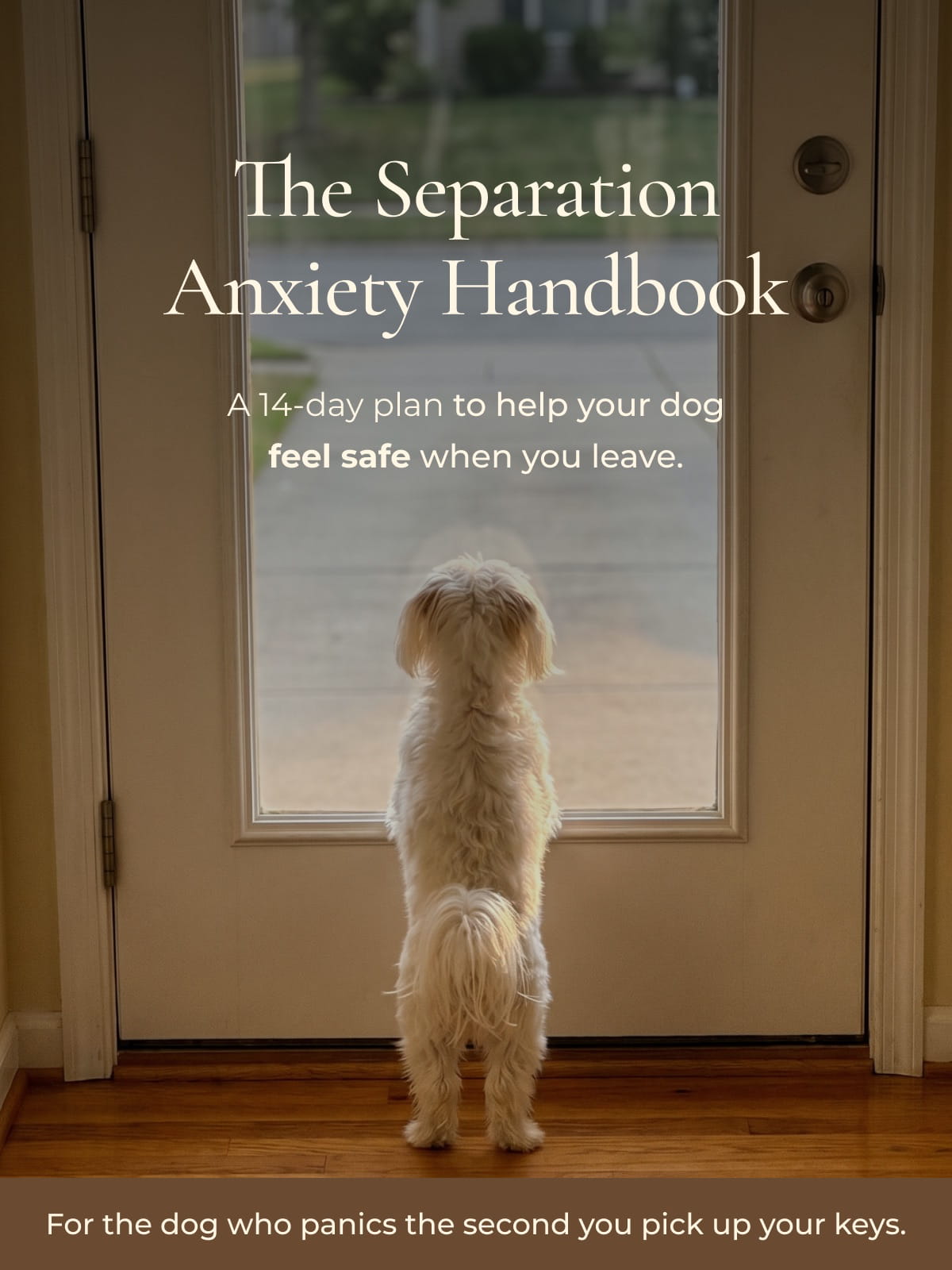
A 14-day plan for the dog who can't bear to leave your side.
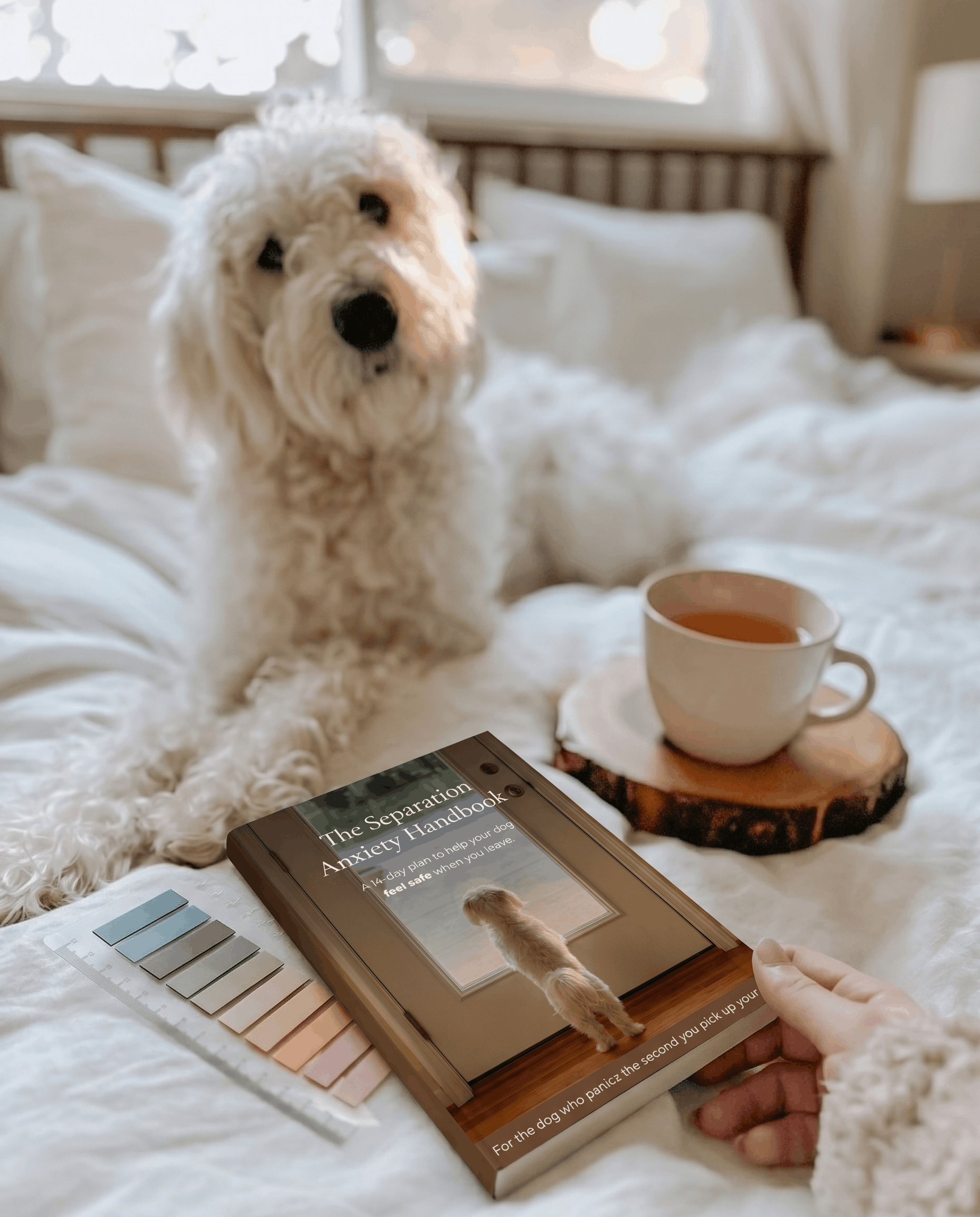
Digital handbook. 14 daily checklists, vet-reviewed exercises, and proven 10-minute drills that calm your dog when you leave, so you can finally close the door without the guilt.

“Day 6 and I left for the gym. Came back to a sleeping dog, not a wrecked couch. I actually cried a little.”
Sarah M. · Austin, TX · Bailey, Golden Retriever
Instant PDF · Any device · 14-day refund
We love that they adore us. We just hate watching them unravel the second we step away. Written by Margaret, BSc Animal Behaviour, with 40+ years with dogs. By Day 5, the panic softens. By Day 14, you can leave the room and they settle, still madly in love with you, just no longer falling apart without you.
Trusted & featured in
- As seen on TikTok
- Dog Wellness Weekly
- PawsCast podcast
- 2026 Pet Choice Award
What you'll see, week by week
You sit on the floor. Your dog learns the keys aren't a warning.
You leave for 90 seconds. Your dog doesn't notice.
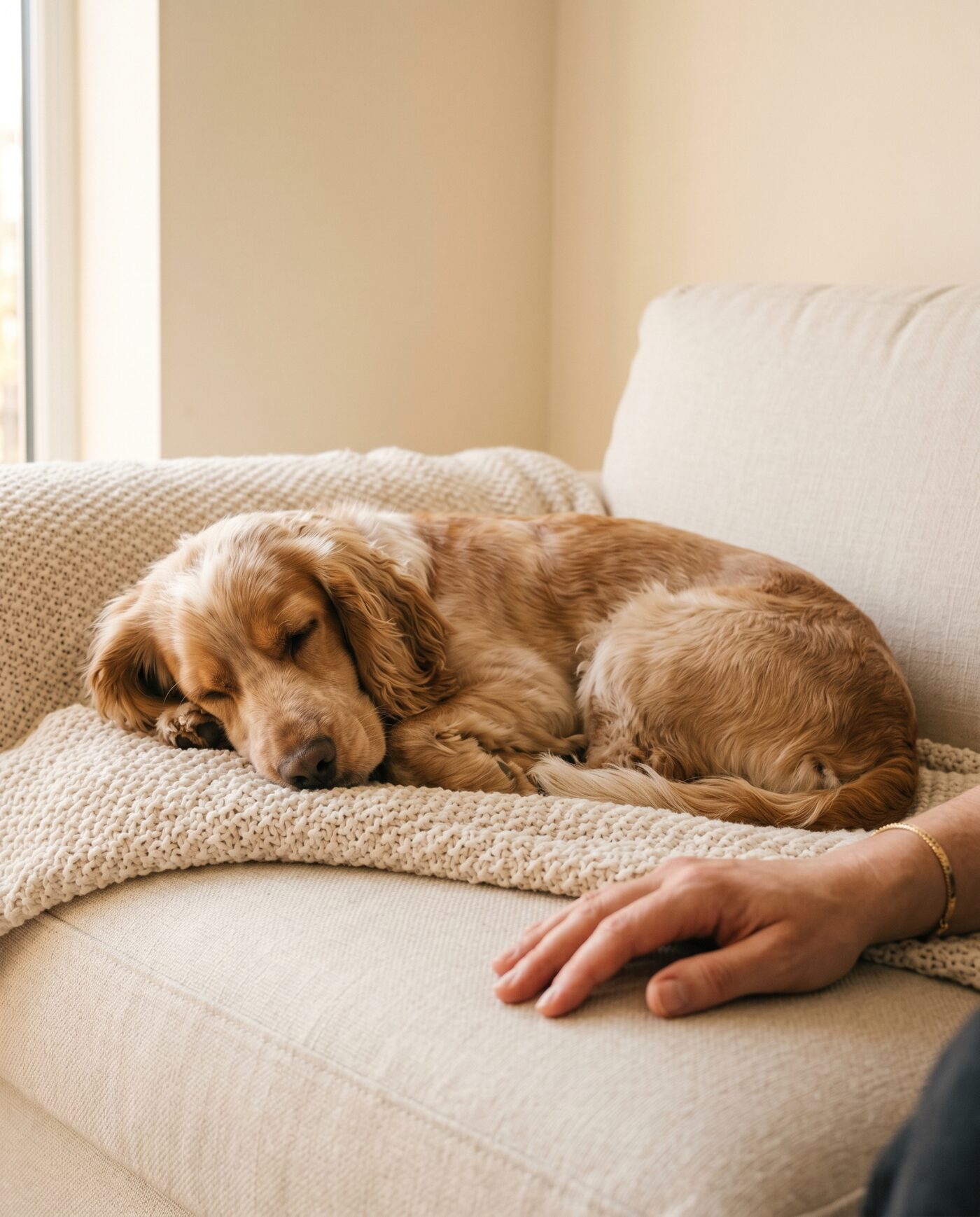
You step out for a coffee. You come back to a sleeping dog.
You close the door. The flat is quiet. That's the goal.
Look inside
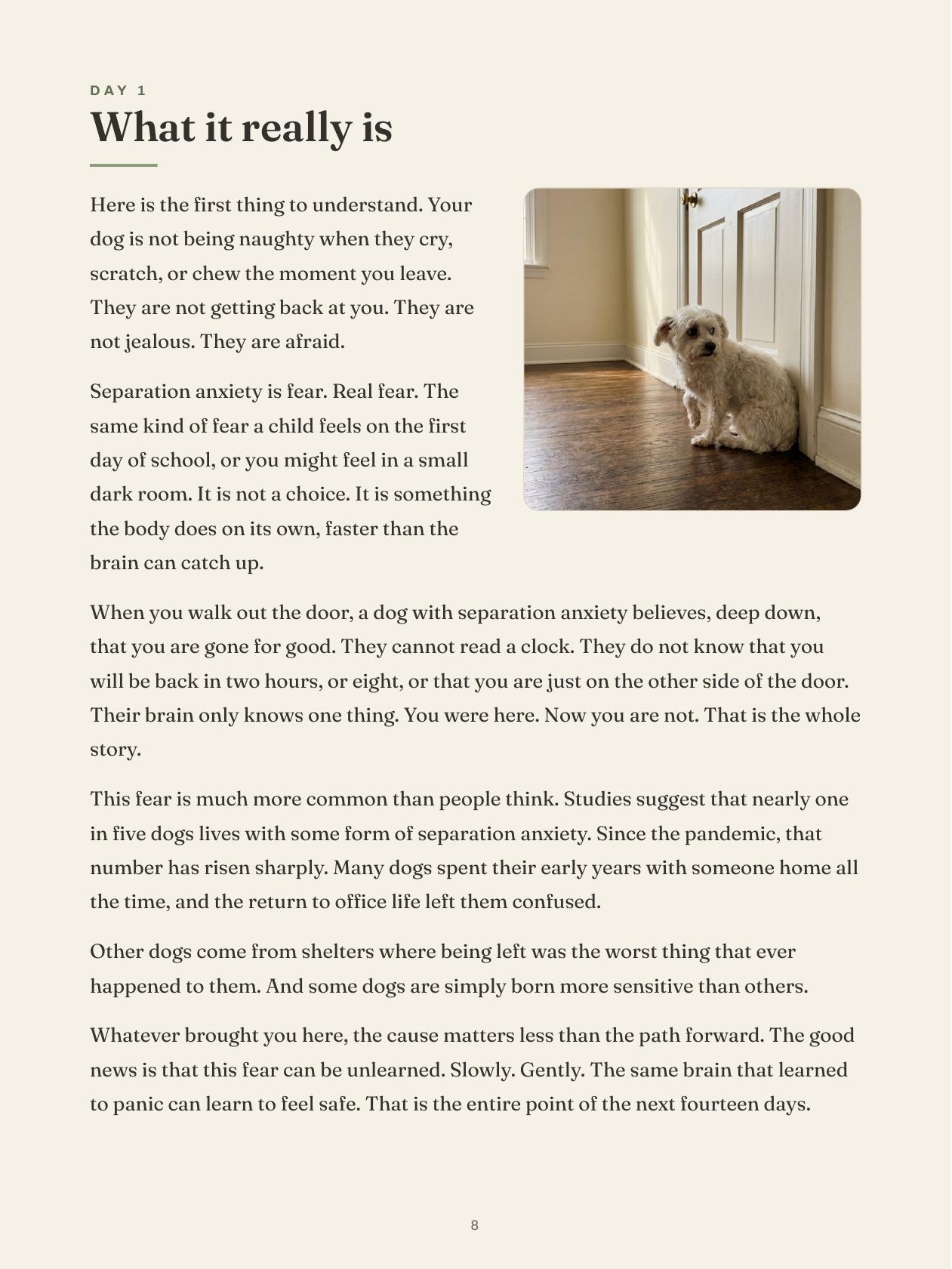
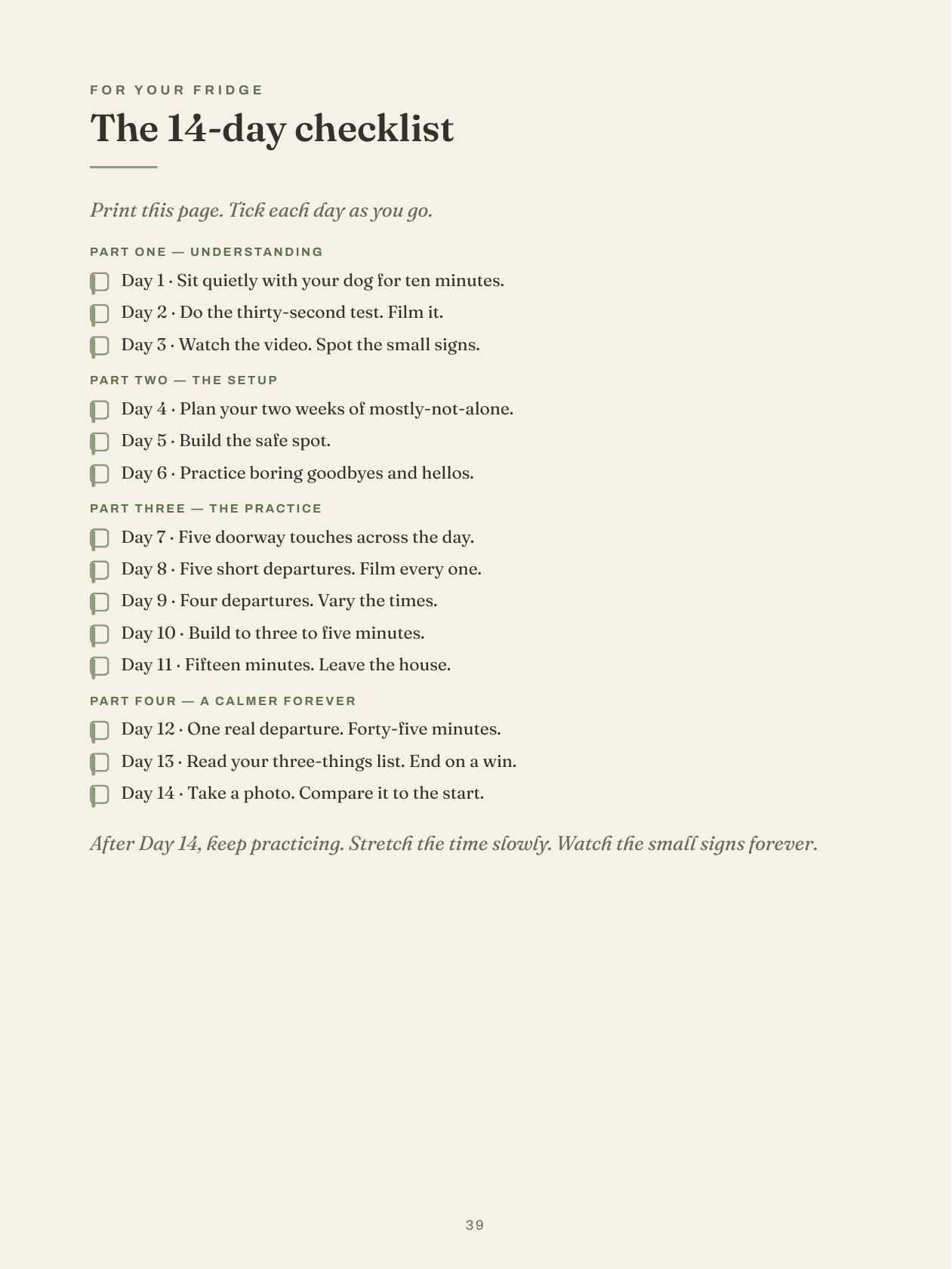
What you get: 14 daily chapters, tick-box checklists, and a catch-up plan for the hard days.
How it works
The method: small absences, boring returns, measurable progress every day.
The plan is built on one idea: your dog has learned that the door is a threat. The fix is to make the door boring again. We never push past what your dog can handle that day. If they panic, we go back a step. That's the whole game.
Day 1
Make the door boring.
Nine-second absences. No fanfare. No big hello when you come back.
Day 7
Stretch the silence.
Five minutes outside the room becomes ten. Your dog stops watching the door.
Day 14
Walk out, hear nothing.
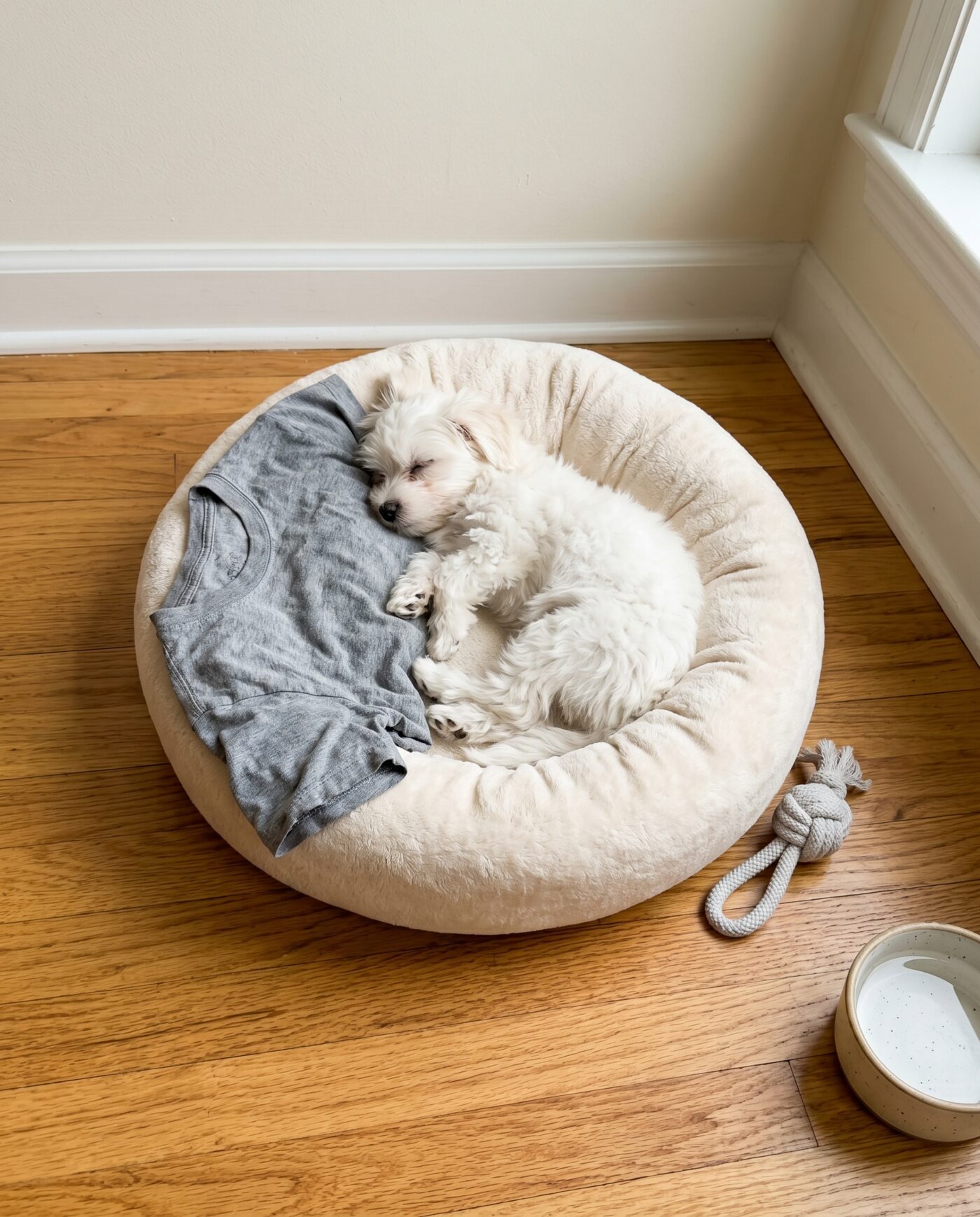
A real, uneventful errand. You come back. Your dog is asleep on the bed.
No clickers. No shock collars. No shouting "no" through the door. Just quiet, repeatable practice.
The 7am you already know
If you've tried everything and your dog still falls apart, it isn't your fault. You just don't have a plan yet.
The whine that starts before the door clicks shut. The neighbour's note slipped under your mat. The video you watched at lunch, where your dog has been pacing for forty minutes and hasn't touched the chew you left out.
You've tried the kong, the calming chews, the long walk before you go. Some days it's a little better. Most days it isn't. And under it all is the quiet, awful thought: I'm doing something wrong, and I don't know what.
You're not doing something wrong. You just haven't been given a plan. That's what this is.
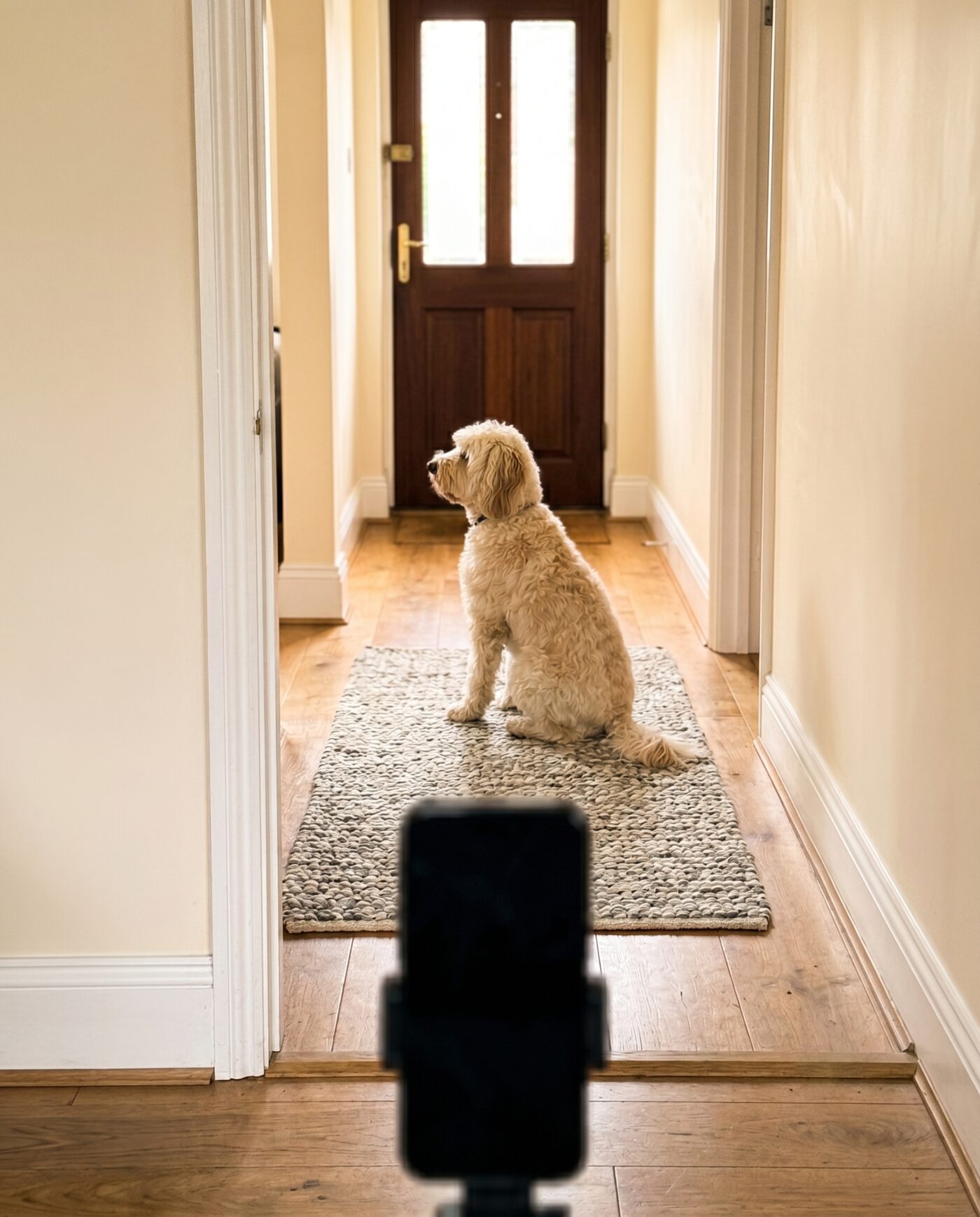
Your dog is just one part of your life. But for your dog, you are their whole life, and their only hope.
They don't know what a meeting is. They don't know you're coming back in an hour. They only know the door closed, and you weren't on the other side of it. Two weeks of quiet practice can give them that knowing back.
The promise
In 14 days, you'll walk out the front door and your dog will stay calm. Guaranteed, or your money back.
Not because you bought a gadget. Because you spent ten quiet minutes a day teaching your dog that you leaving is boring, and you coming back is boring too. That's the whole secret. The handbook walks you through it, day by day, in plain language.
A 14-day plan
Broken into days you can actually do. Most are 10-15 minutes.
Phone-friendly checklists
Tick off the day's work without printing anything.
What to do when it slips
Built-in catch-up days. Plain words for when it goes sideways.
Why advice online makes it worse
One voice. One plan. No more rabbit holes at midnight.
Why this isn't a YouTube rabbit hole
Stop scrolling at midnight. Start fixing it in the morning.
YouTube gives you forty trainers with forty contradictory opinions, and an algorithm that rewards the loudest ones. By the time you've watched three, your dog has eaten the doormat and you've learned nothing you can use tomorrow morning.
This is one voice, one plan, one PDF. You read it once. You follow it for fourteen days. You stop scrolling.
Your dog deserves to feel safe in the house they share with you.
Not later. Not when you finally have the time. Tonight. Ten minutes is all Day 1 asks of you. The price of a takeaway dinner, for the rest of your dog's life with you.
- 2,400+ happy dogs
- 4.9 / 5 from readers
- Force-free, vet-reviewed
- Instant PDF, read tonight
Who wrote this

Margaret
@ipostpaws · BSc Animal Behaviour · 40+ years with dogs
I'm Margaret. I'm 68, I have lived with dogs my whole life, and I run @ipostpaws, the quiet little corner of the internet where I write about what dogs are actually trying to tell us. I studied animal behaviour at university in the 1980s, before it was called pet psychology, and I've spent the four decades since fostering anxious rescues, volunteering at shelters, and sitting on a lot of kitchen floors with a lot of frightened dogs.
I'm not a celebrity trainer. I don't sell collars, treats, or eight-week courses. I wrote this handbook because the same questions kept landing in my inbox at three in the morning, from people who love their dog and are quietly falling apart with them. This is the answer I send. Written down once, properly, so you can read it tonight and start in the morning.
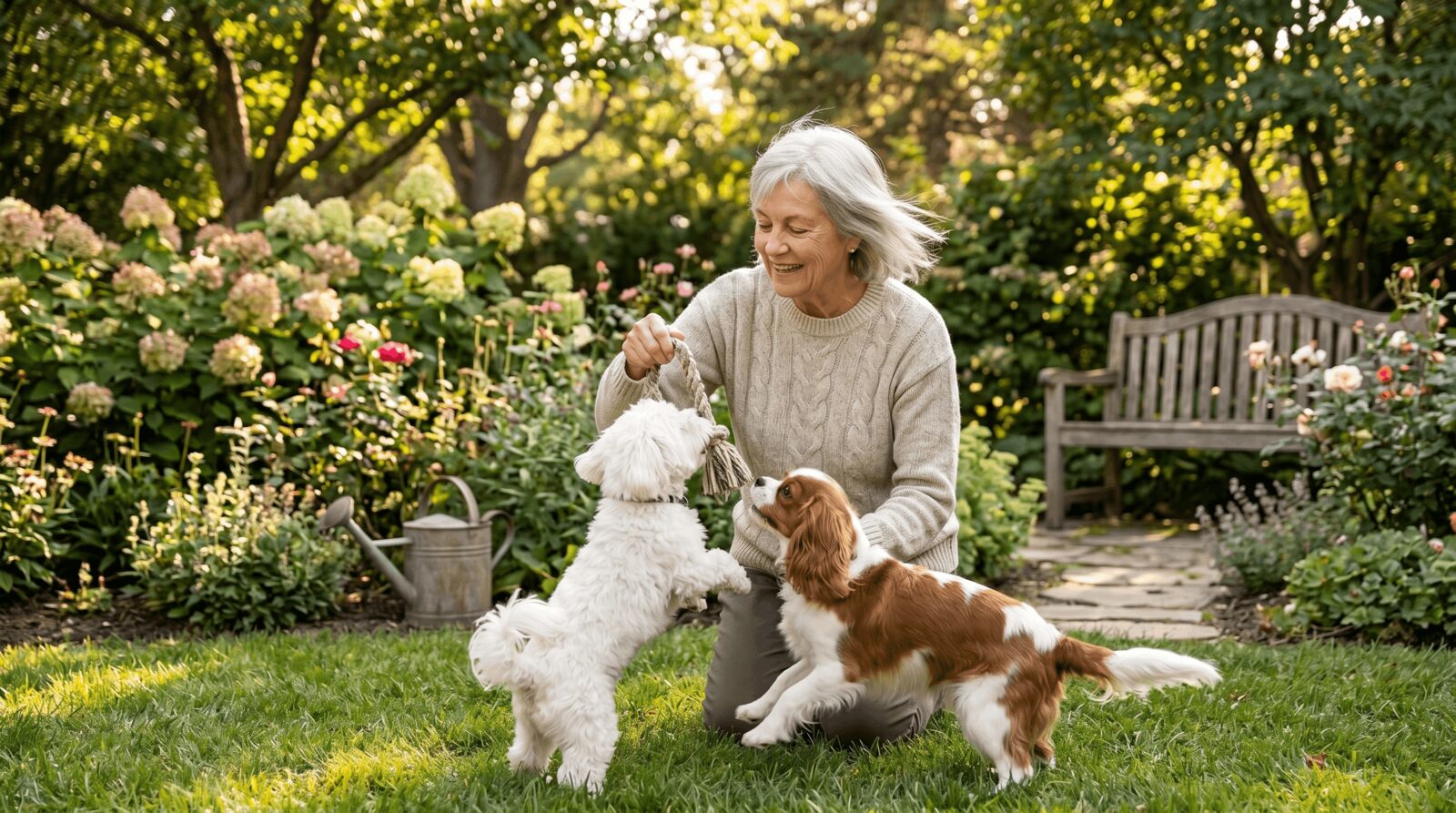
"Your dog is not giving you a hard time. Your dog is having a hard time. There is a difference, and it changes everything."
From readers
0+ dog owners have used this plan since 2023. Here's what they say.
“Day 9 was the first time in a year I left the flat and didn't hear him cry through the door. I cried a little, in the lift.”
Anna · London
with Otis, a 4yo rescue
“I read it on a Sunday. By the second Sunday I could shower without him scratching at the bathroom door. It is so much kinder than what I was doing.”

Marco · Bristol
with Pip, a Cavalier
“The bit where you say 'go back a step, it isn't failing, it's the plan working' is the line I needed.”
Sara · Edinburgh
with Juno, a senior collie
As shared in the @ipostpaws community on Instagram.
One day, much sooner than feels fair, your dog will be older.
You won't remember the price of this handbook. You will remember the afternoon your dog slept through you leaving for the first time. Give them that afternoon.
Questions
Still on the fence? The answers are here.
Get the handbook tonight. Start Day 1 in the morning. Hear the difference by next weekend.
$39, one-time. Instant PDF. 14-day, no-questions refund if it doesn't help. The price of a takeaway, for the rest of your dog's life with you.
- Stripe-secure checkout
- 14-day, no-questions refund
- Instant PDF delivery
- Loved by dog owners worldwide